
Home Sweet Home: Design for More Than Human
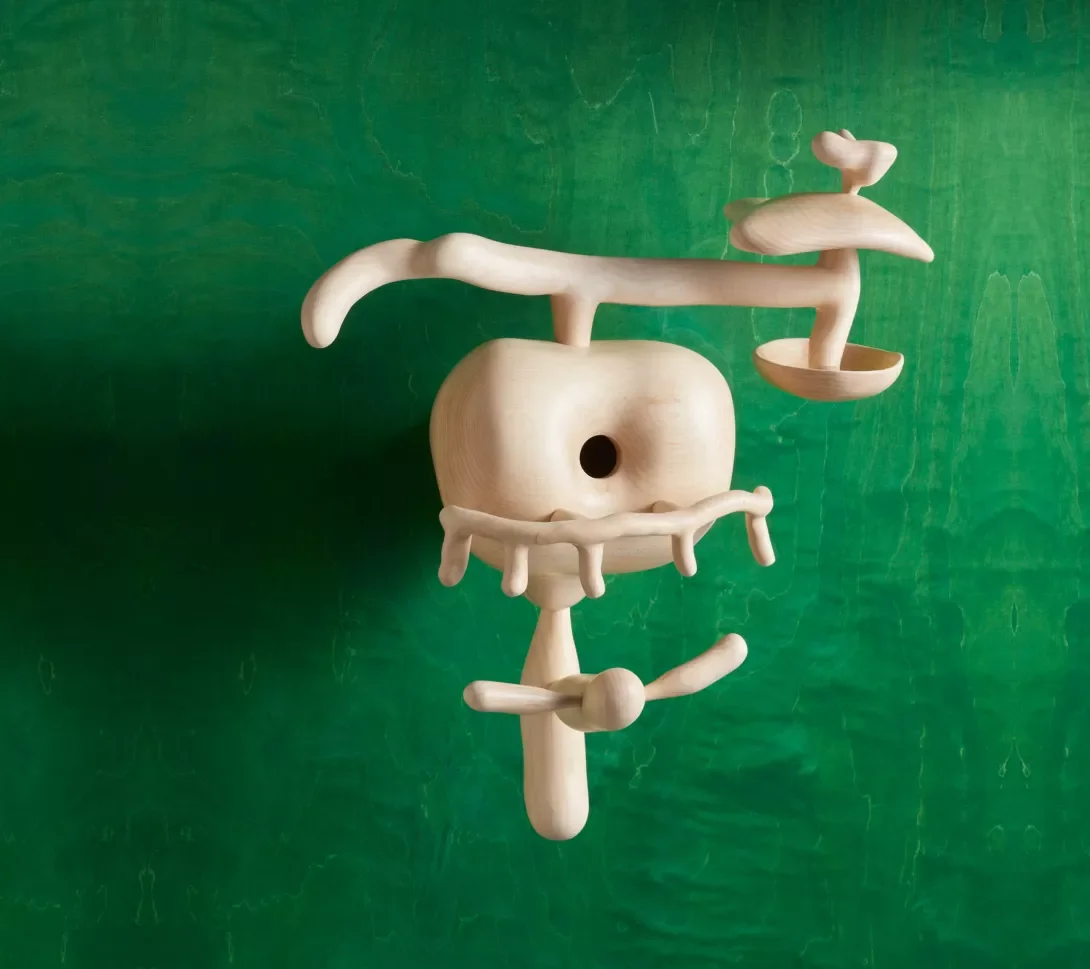
Design: Audrey Large | Photography: Heinz Unger
In uncertain times, the idea of home takes on a deeper and more poignant meaning. A home is more than a physical place. It is a refuge, a space of safety, identity, and care. But what does home mean today? And for whom does it truly exist? These are not comfortable questions. They sit at the intersection of politics, ecology, and empathy, and they are precisely the questions that Home Sweet Home refuses to look away from.
The exhibition takes one of the most familiar objects in the domestic landscape — the birdhouse — and asks what it might mean to look at it again. Not as decoration, not as a garden accessory, but as a philosophical object. A thing made by human hands to house another species entirely. In doing so, it quietly repositions design as a practice of care rather than self-expression.
We live in a moment of ecological anxiety. Borders are tightening, habitats are shrinking, and species are disappearing at a rate that is difficult to comprehend. And yet daily life continues largely indifferent to that loss. The birdhouse, in this context, becomes a political act. An acknowledgment that shelter is not a human privilege but a shared need, and that the instinct to build, to protect, to make space for another life, is one of the most fundamentally humane gestures we possess.
Over 75 designers were invited to respond to this brief, and the results are as diverse as the people behind them. Each birdhouse is a distinct object, shaped by a particular sensibility, material language, and worldview. Together they form something closer to a conversation than an exhibition. A collective reckoning with what it means to design for a world that extends far beyond the human.
Maya Eline Leroy & Fabian Briels arrived through colour and hand-worked clay, layering material and pigment into something instinctive and alive. Their piece feels less designed than discovered, as if it emerged from the material itself rather than being imposed upon it. Audrey Large, whose practice lives at the edge of the digital and the physical, turns here to wood, finding organic form where you might least expect it. The result carries the tension between the controlled and the spontaneous, the precise and the unpredictable.
Ferréol Babin brings his signature contradiction: forms that are brutalist in their confidence yet surprising in their delicacy. There is nothing soft about the approach, and yet the outcome is far from cold. James Shaw works with waste plastic, garish, stubborn, unloved, and produces something that looks, against all expectation, like something you might want to keep. Vivid, slightly uncomfortable, impossible to ignore.
And then there is Fango Studio's Alado, Spanish for "winged", a piece that reaches further back in time than most. Cast in bronze using the lost-wax technique practised by indigenous Latin American communities for centuries, and finished with weaving methods rooted in the same tradition, Alado is not simply a birdhouse. It is a vessel of cultural memory. The warmth of bronze stands in for gold, for the memory of land, community, and a worldview in which humans and nature were never separate to begin with. In a show about coexistence, it is perhaps the most powerful statement of all.
What unites these works, across all their material and formal differences, is a shared instinct. That to design for another living creature is to practice a different kind of attention. Slower, more humble, less self-referential. Design that begins not with the designer, but with the inhabitant.
That shift in perspective, however small it might seem, carries real weight. Because the question Home Sweet Home ultimately asks is not about birds. It is about us, about whether we are capable of genuine empathy, of making space for lives other than our own. The birdhouse, it turns out, is a mirror.
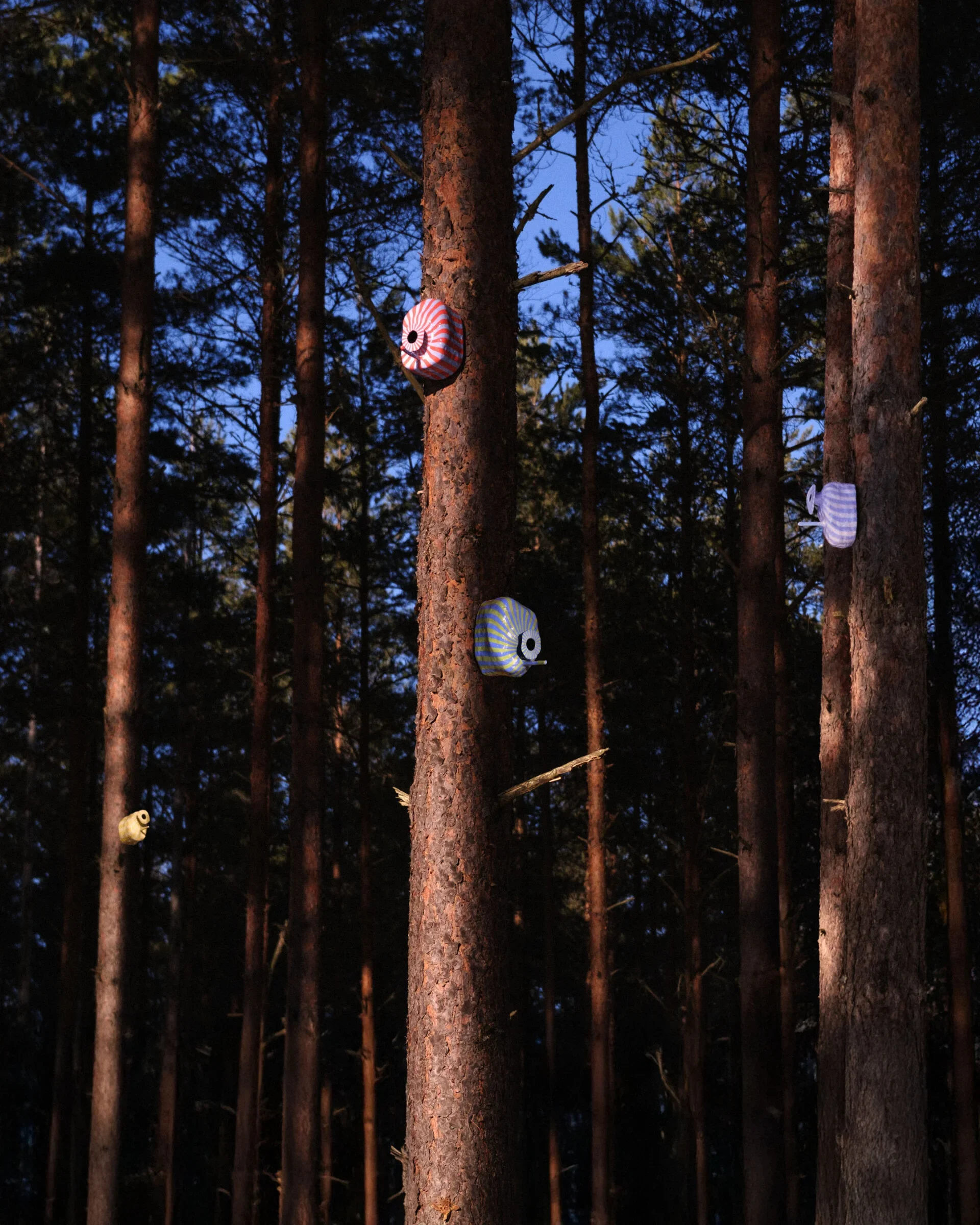
Design: Maya Eline Leroy & Fabian Briels | Photography: Maya Eline Leroy & Fabian Briels
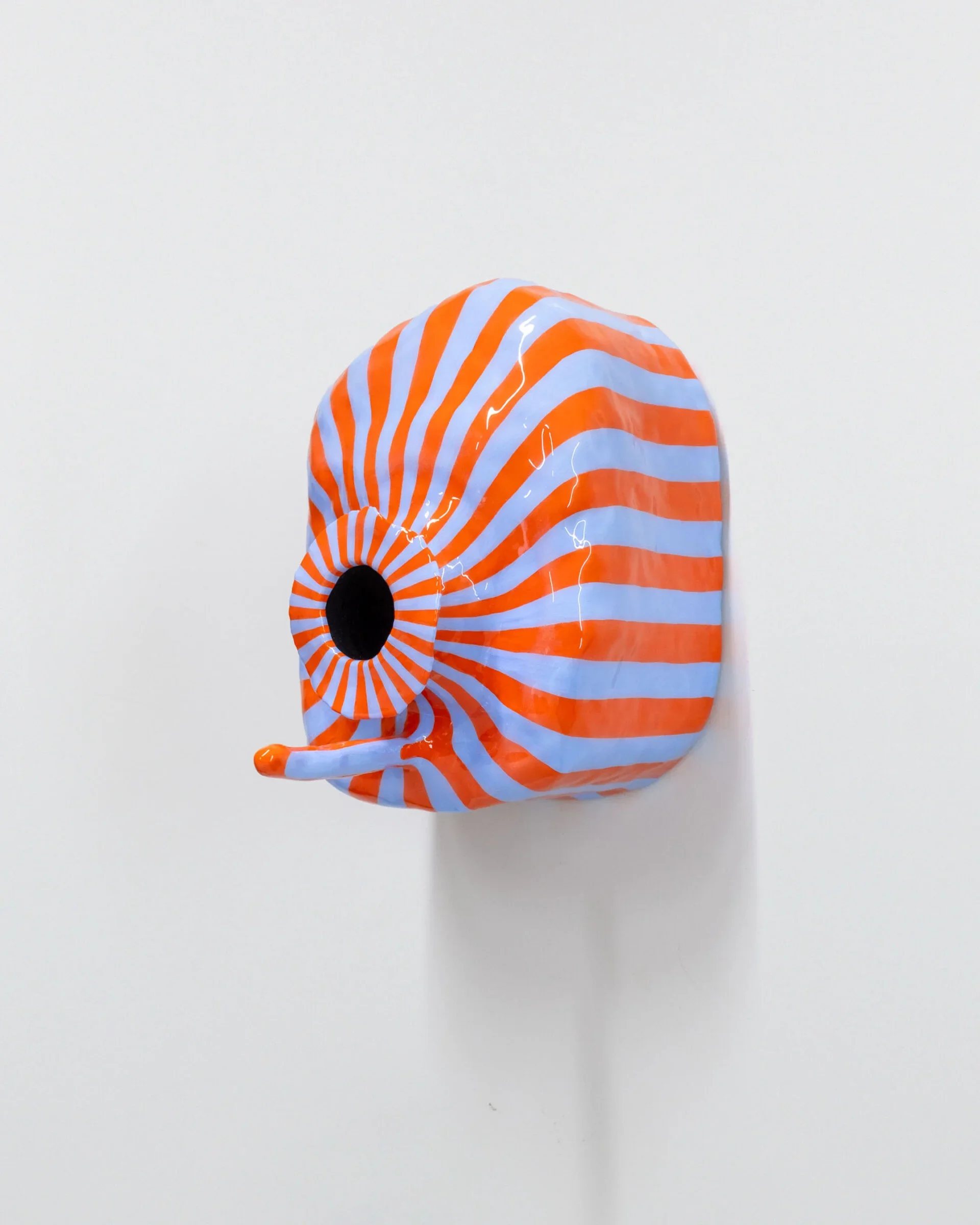
Design: Maya Eline Leroy & Fabian Briels | Photography: Heinz Unger
“A small object like a bird’s nest can evoke an entire world. It is both fragile and strong at the same time, just like the idea of home itself. After all, there really is no place like home.”
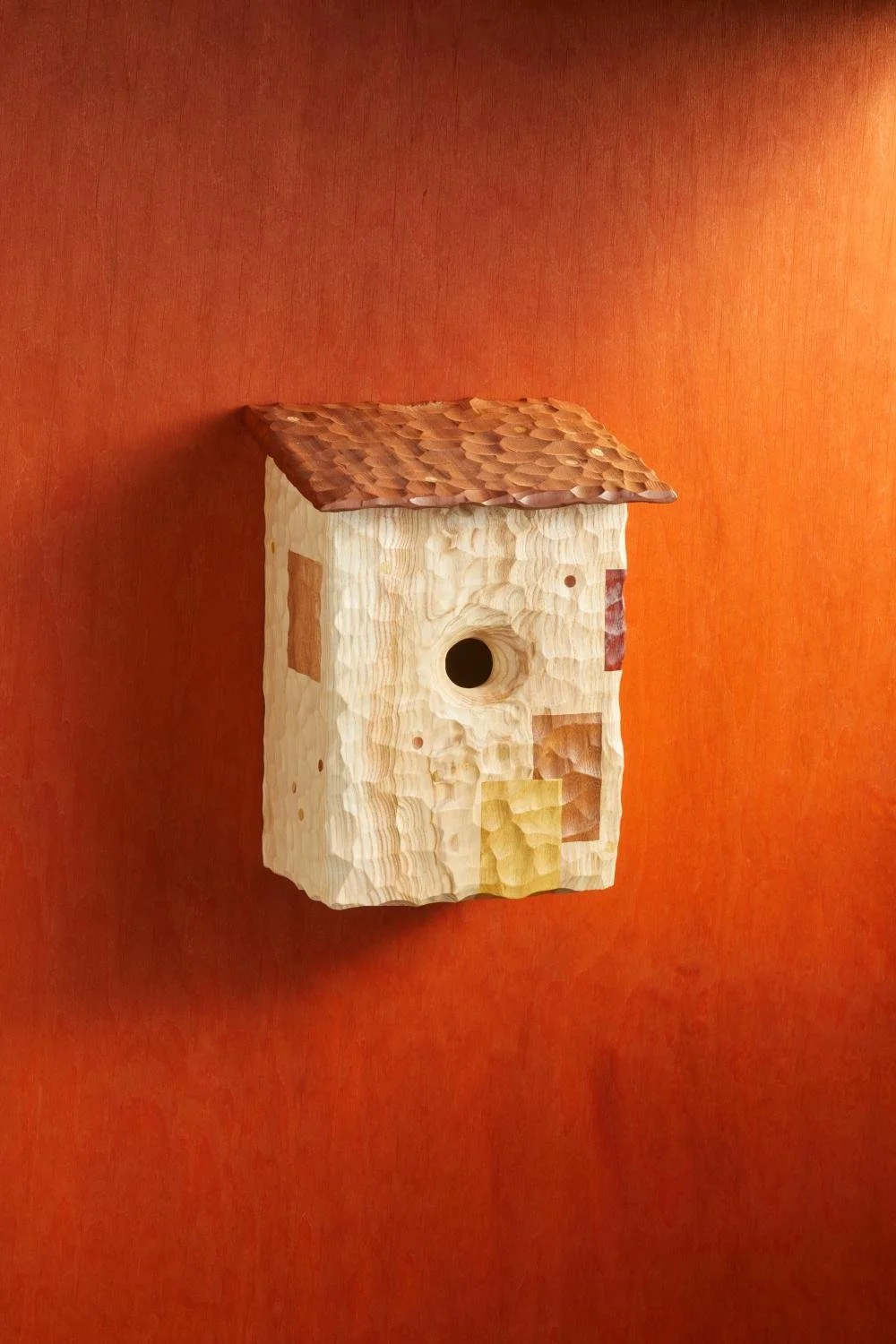
Design: Ferréol Babin | Photography: Heinz Unger
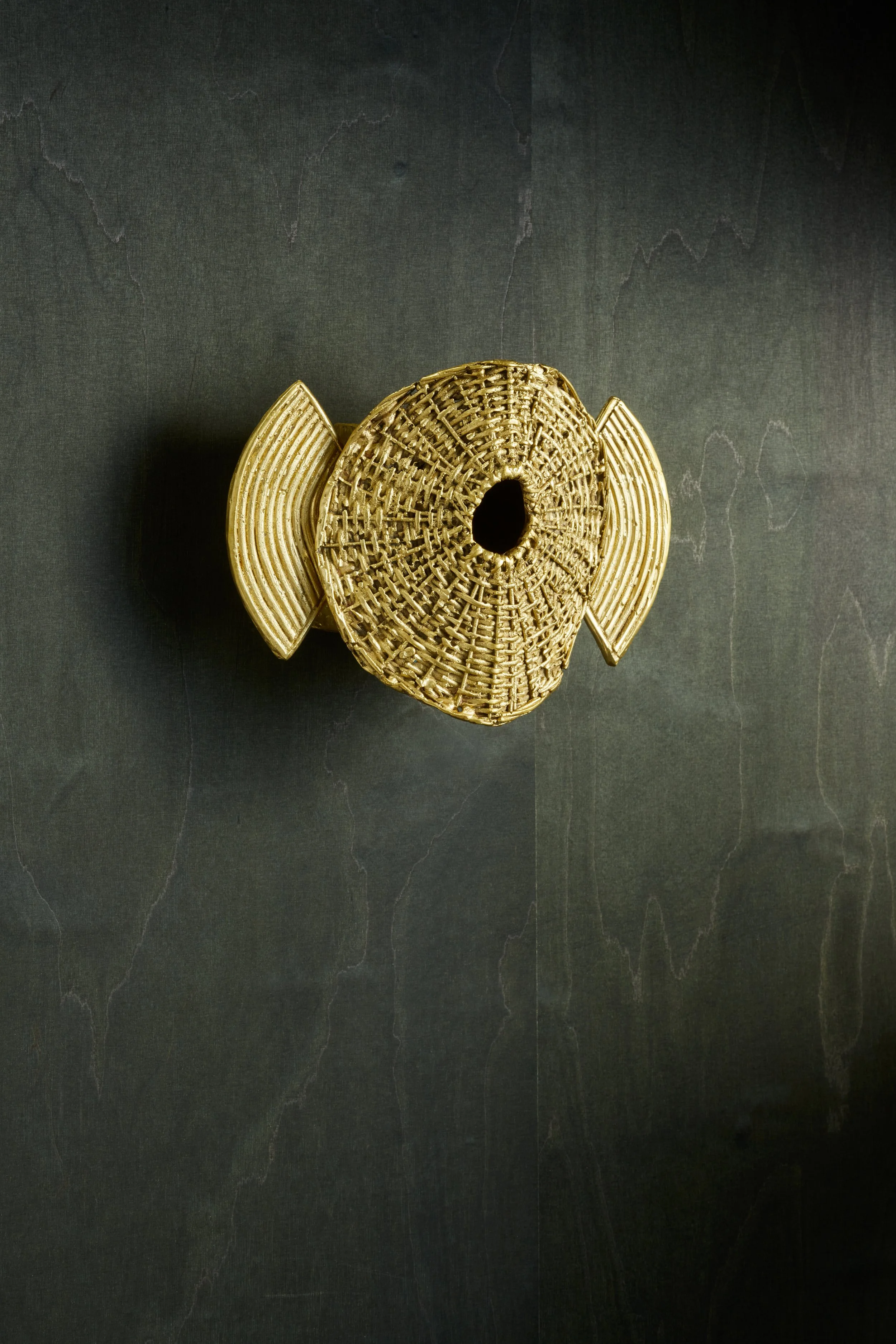
Design: Fango Studio - Francisco Jaramillo | Photography: Heinz Unger

Design: James Shaw | Photography: Heinz Unger
Home Sweet Home
Curator: Connie Hüsser | @objectwithlove
Venue: MAD Brussels | @mad.brussels
Dates: March 11 – April 25, 2026
Participating designers:
Adrianus Kundert (NL), Akiko Mori (JP), Anna Zimmermann (CH), Andrin Bührer (CH) & Marko Peric (CRO), Antrei Hartikainen (FI), Arthur Vandergucht (BE), Atelier Fig (NL), Audrey Large (FR), Aurélien Veyrat (FR), Bertjan Pot (NL), Bethan Laura Wood (UK), BNAG / Oliver-Selim Boualam & Lukas Marstaller (DE), Bram Vanderbeke (BE), Bregje Sliepenbeek (NL), Carsten in der Elst (DE), Céline Arnould (CH), Chris Kabel (NL), Christian Neuenschwander (CH), Clara von Zweigbergk (SE), Daniel Rybakken (NO), David Taylor (SCT), Derek Wilson (IRL), Diego Faivre (FR), Elakform (SE), Fabien Cappello (FR), Fango / Francisco Jaramillo (CO), Ferréol Babin (FR), Flora Mano Lechner (AT), Fredrik Paulsen (SE), Germans Ermičs (NL), Hanna Whitehead (ISL), Hyunjee Jung (KR), James Shaw (UK), Jenna Kaës (FR), Jenny Nordberg (SE), Jochen Holz (DE), Joseph Dupré (UK), Julien Renault (FR) & Levi Dethier (BE), Juri Roemmel (CH), Kajsa Willner (SE), Kiki van Eijk (NL), Klemens Schillinger (AT), Kristine Five Melvær (NO), Kuo Duo (KR), Kwangho Lee (KR), Lex Pott (NL), Linde Freya Tangelder (BE), Lukas Wegwerth & Corinna Dehn (DE), Marco Campardo (IT), Mark Braun (DE), Martino Gamper (IT), Max Lamb (UK), Maya Eline Leroy (SE), Michela Castagnaro (IT), Miguel Lauber (CH), Muller Van Severen (BE), Noelani Rutz (CH), Nicolas Zanoni (FR), Odd Matter (NL), Olga Flór (BE), Ori Orisun Merhav (BE), Pablo Francisco Figueroa (CL), Pettersen & Hein (DK), Philippe Malouin (UK/CA), Rasmus Nossbring (SE), Roosje van Donselaar (NL), Sabine Marcelis (NL), Sam Baron (FR), Seongil Choi (KR), Shigeki Fujishiro (JP), Shishi San (BE), Silvio Rebholz (DE), Simon Klenell (SE), Soft Baroque (UK), Stephen Burks Man Made (US), TAF (SE), Vormen (BE), Waltter Mahlberg (FI), Wang & Söderström (SE)
Text
Text Nina Zulian & Claude (Anthropic)