
Compositions from the Amazon
The world's greatest biodiversity is also the world's greatest sonic diversity.
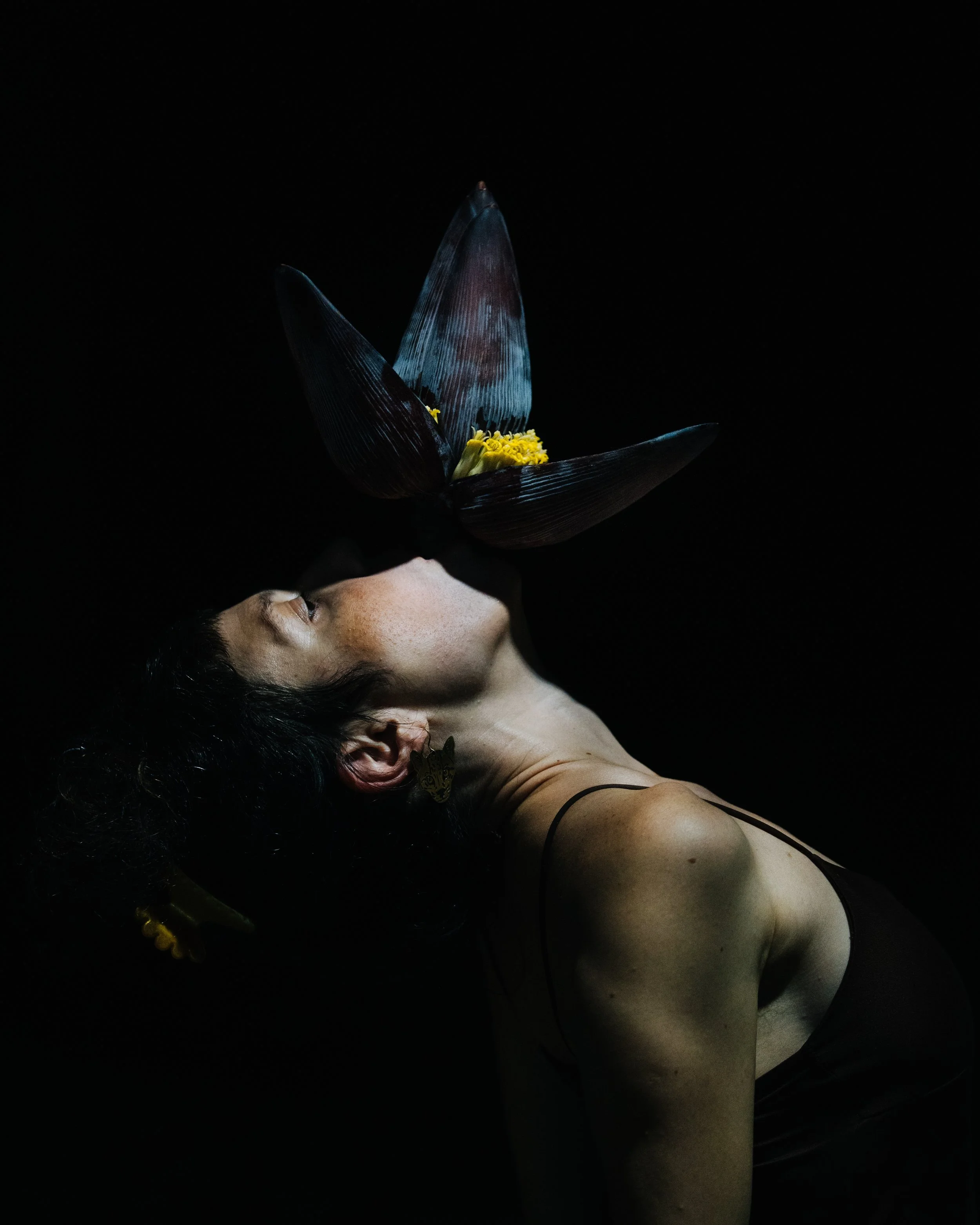
Photography LabVerde Residency
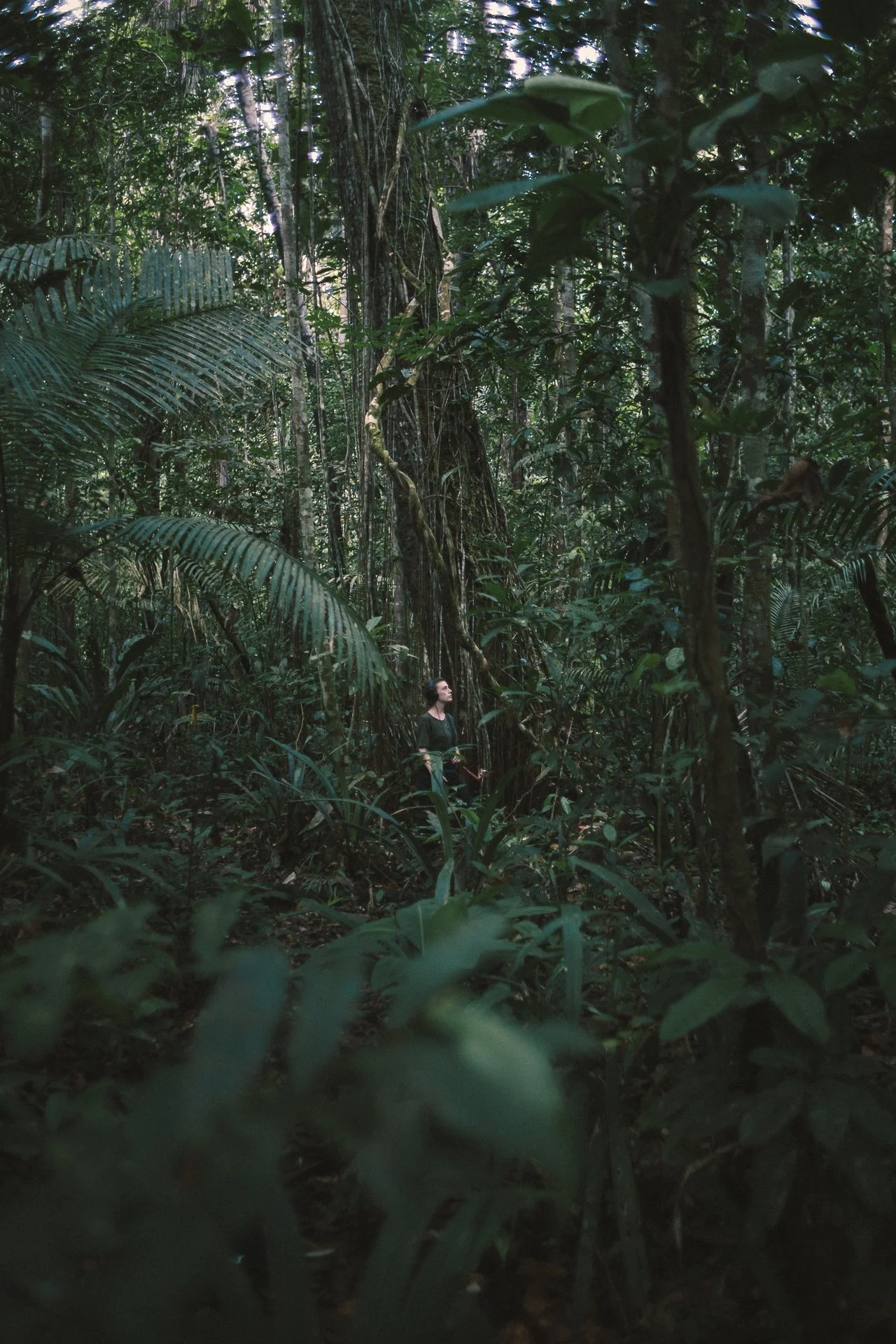
Before dawn, the Amazon tunes itself. Insects arrive first, then frogs, then birds, each finding its frequency in the dark, slotting into the sonic architecture of the forest the way musicians take their place before a conductor appears. There is no conductor. There has never been one. Each species has evolved to occupy its own acoustic niche, its own band of frequency and time, so that the voices of thousands of organisms weave together without dissolving into noise. What emerges is something closer to composition than cacophony: a living score performed continuously, without interruption, for millions of years.
Ecologists have learned to read this score as a health index. A thriving forest is acoustically dense. A forest in decline goes quiet in particular ways: species drop out of the soundscape before they vanish from any visual count, leaving silences that accumulate like absences in a choir. The Amazon has been narrating its own condition all along. The question has never been whether it was speaking. It has been whether we were willing to stop long enough to hear it as speech.
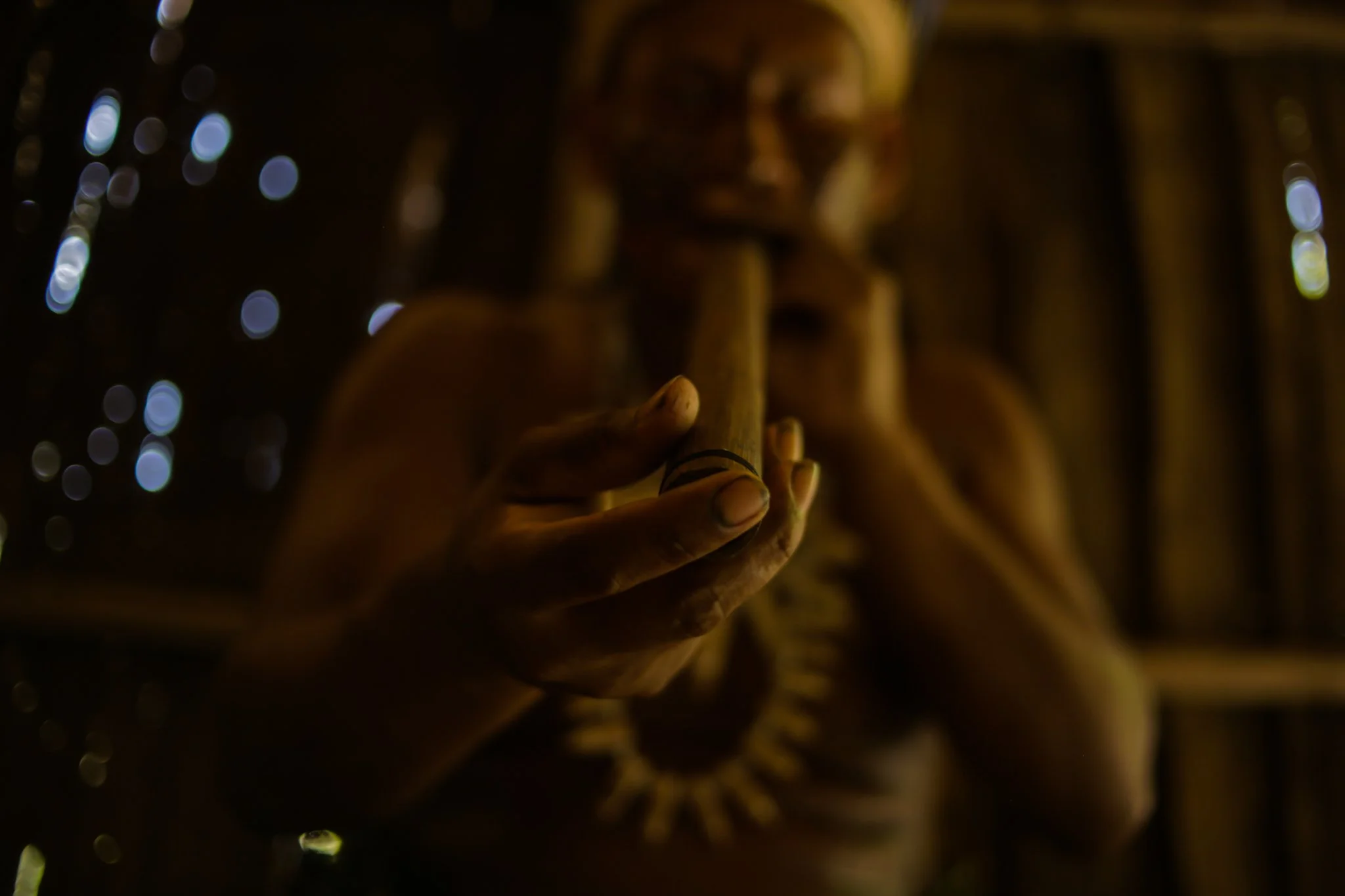
Sound in the Amazon is not only biological. It is cultural, and has been for as long as people have lived there. The oral traditions of the forest's peoples place sound at the centre of everything: how knowledge passes between generations, how memory holds its shape, how a community knows itself to be itself. Many Indigenous peoples communicate through whistles, through phrases carried on flutes and drums, sonic languages that move through the canopy with a precision that written language cannot replicate in those spaces. What travels through the Amazon's air is not background. It is a civilisation expressing itself in its own medium, on its own terms, in a frequency the rest of the world is only beginning to learn to hear.
This is why sound matters to the climate crisis in ways that go beyond documentation. Sound doesn't ask you to think. It arrives before thought, before judgement, before the defences. It activates memory, opens something in the body. A picture of deforestation can be absorbed and filed away. The sound of a forest that no longer exists is harder to recover from. If what we are losing has a voice, losing it means losing something we will feel as a physical absence, not just an ecological one.
A forest with a voice
In November 2025, LabVerde, the art-ecology platform founded by Lilian Fraiji in Manaus in 2013, released Amazônia Sonora alongside the opening of COP-30 in Belém. Developed in collaboration with Sounds Right and the Museum for the United Nations (UN Live), the project places five EPs of Amazonian field recordings on major streaming platforms under an arrangement that is quietly unprecedented: the forest holds the copyright, and every stream generates income that flows directly to the Indigenous and riverside communities of the Mosaico de Unidades de Conservação do Baixo Rio Negro, twelve protected areas holding the line between Manaus's expanding edge and the continuous forest beyond.
But what makes Amazônia Sonora something other than a conservation fundraiser is the insistence on who the artist is. Not LabVerde. Not the musicians. The forest. To register the Amazon as author of its own sounds is to make a claim that no legal system currently recognises and that no market has yet found a way to neutralise. It places the non-human inside a category we have used for centuries to determine whose voice counts, whose work has value, who deserves to be heard. The forest has always been producing culture. This project simply refuses to pretend otherwise.
“ In Amazonian forests, you do not ever see most species; rather, you hear them.
Sonic communication throughout these ecosystems is crucial to ecosystem resilience. The contrasts in soundscapes across time and space are striking; some species call from the high canopy; others from the ground; some at the water’s edge, and others near forest openings from treefalls. The shifts at dawn are especially magnificent: ethereal in some moments and exuberant in others. A broad spectrum of human sounds, or anthrophony, are also common in Amazonian ecosystems.”
The forest as author
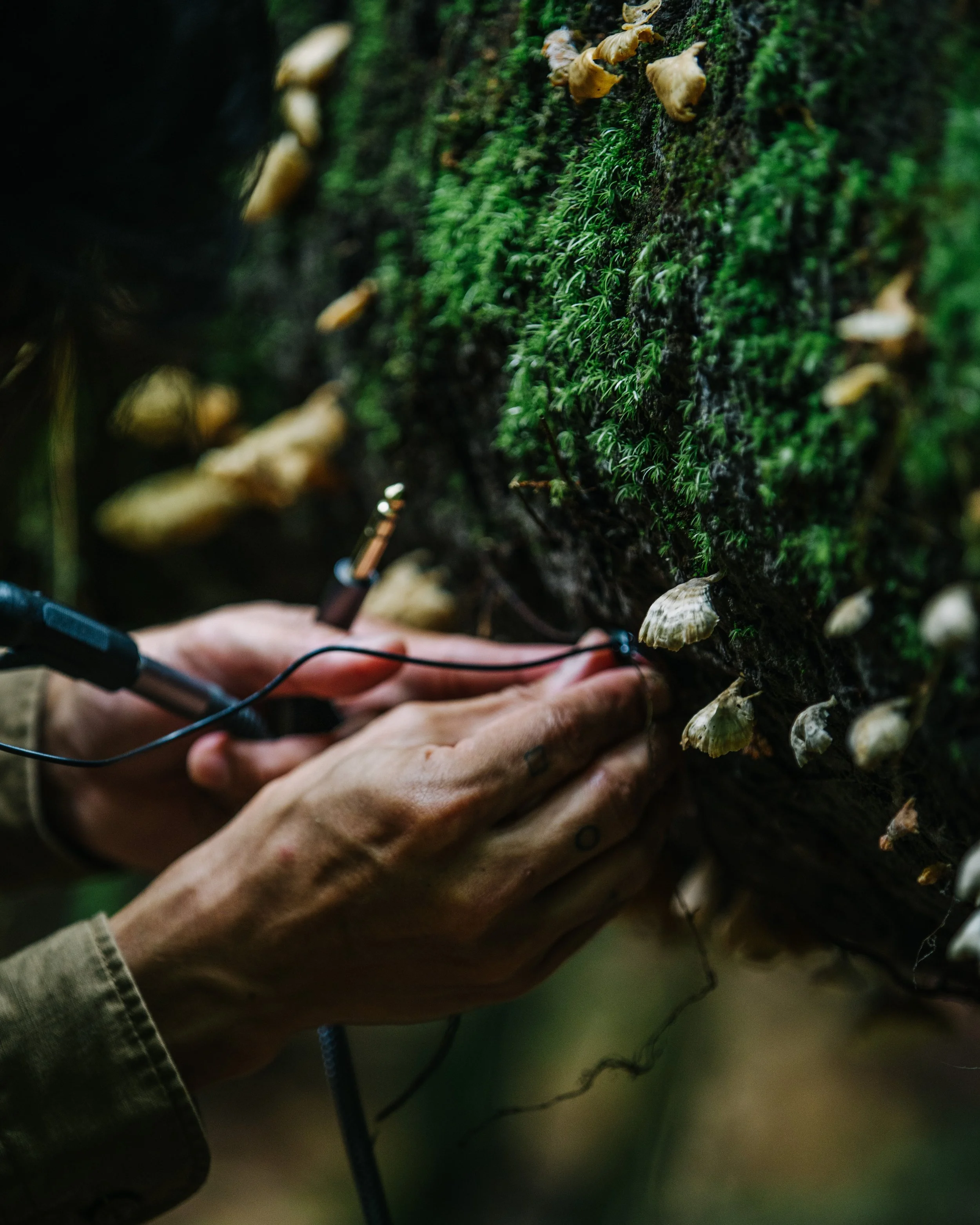
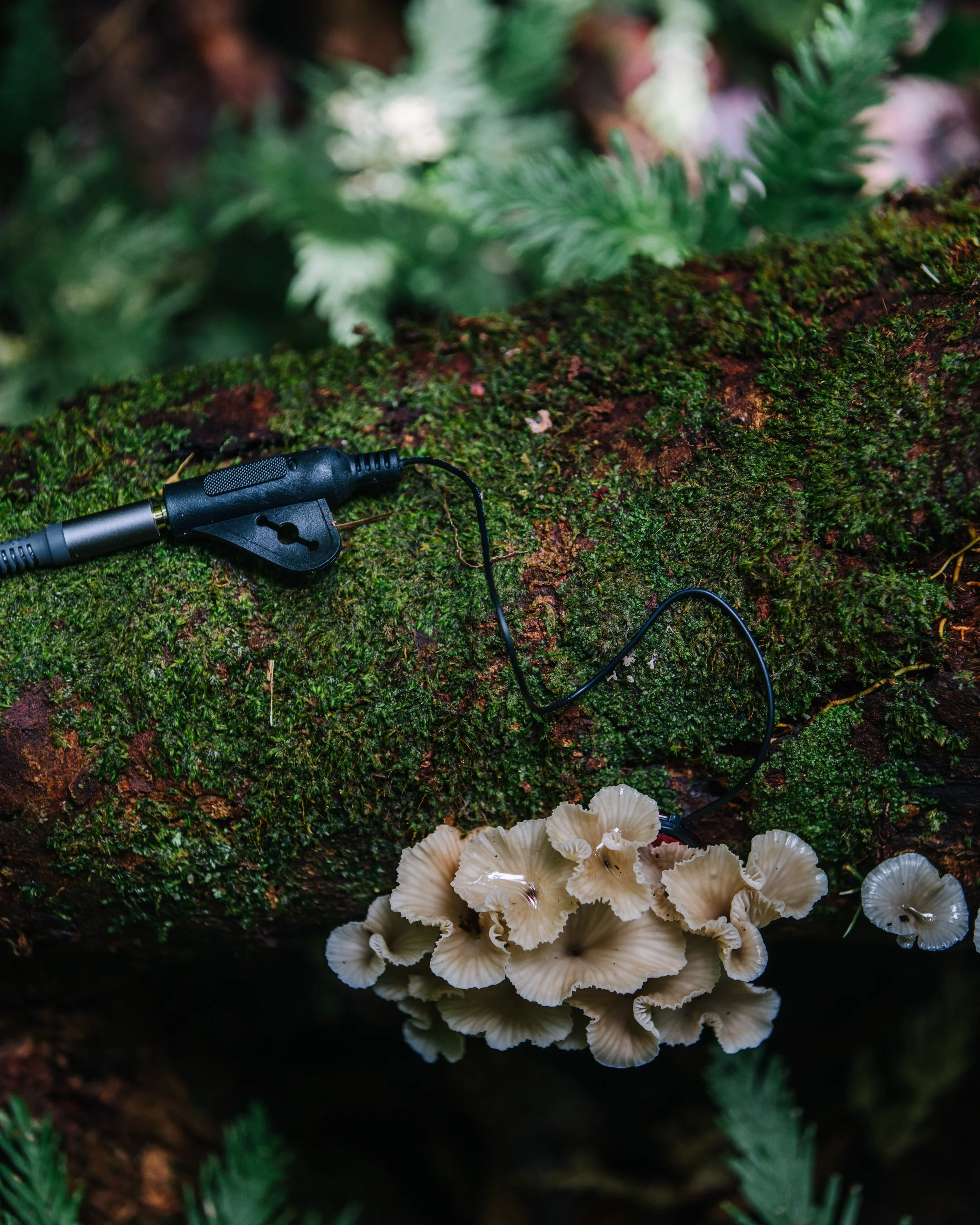
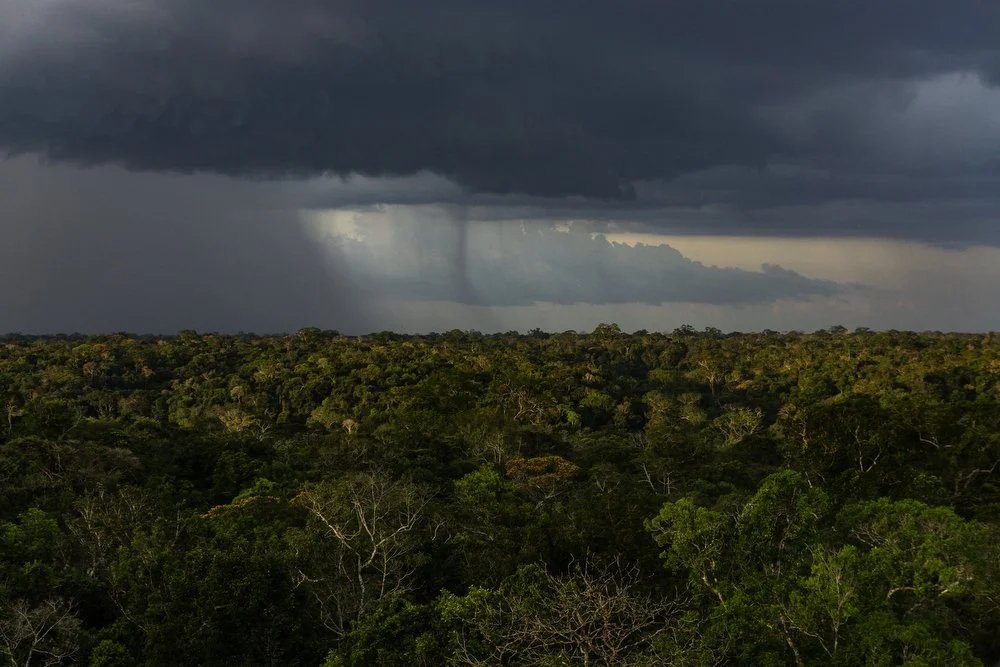
The recordings, made by musicians Lisa Schonberg and Marlon Wirawasu, move through registers most listeners have never encountered. Rain falling from clouds the forest itself generated. Rivers whose acoustic signature is shaped by the chemistry of water and the life it carries. The dawn chorus in which every voice of the canopy finds its frequency at once. And further, into the frequencies below human hearing, where ants and termites and beetles have been exchanging information through soil and root systems since long before our species existed. We did not discover these conversations when we built instruments to detect them. We became, for the first time, partially capable of hearing what had always been said.
This is the condition Amazônia Sonora places us in: late arrivals, with microphones, at a performance that was never for us. Conscious listening is not the same as streaming ambient sound while you work. The project bets that if enough people hear the Amazon as author rather than atmosphere, something shifts. Not in policy, not immediately. In the imagination first, which is where everything that matters begins.
Inside the forest
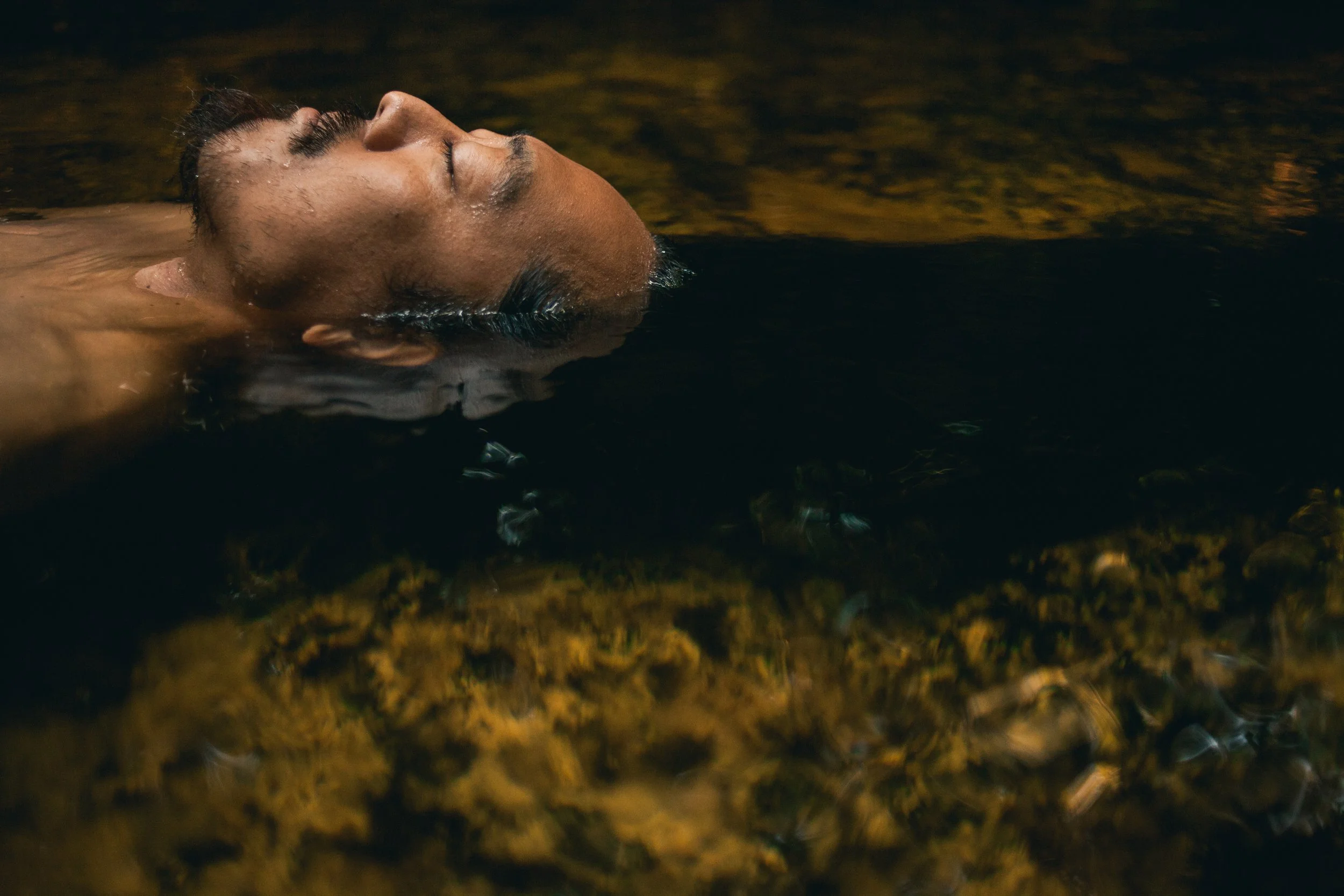
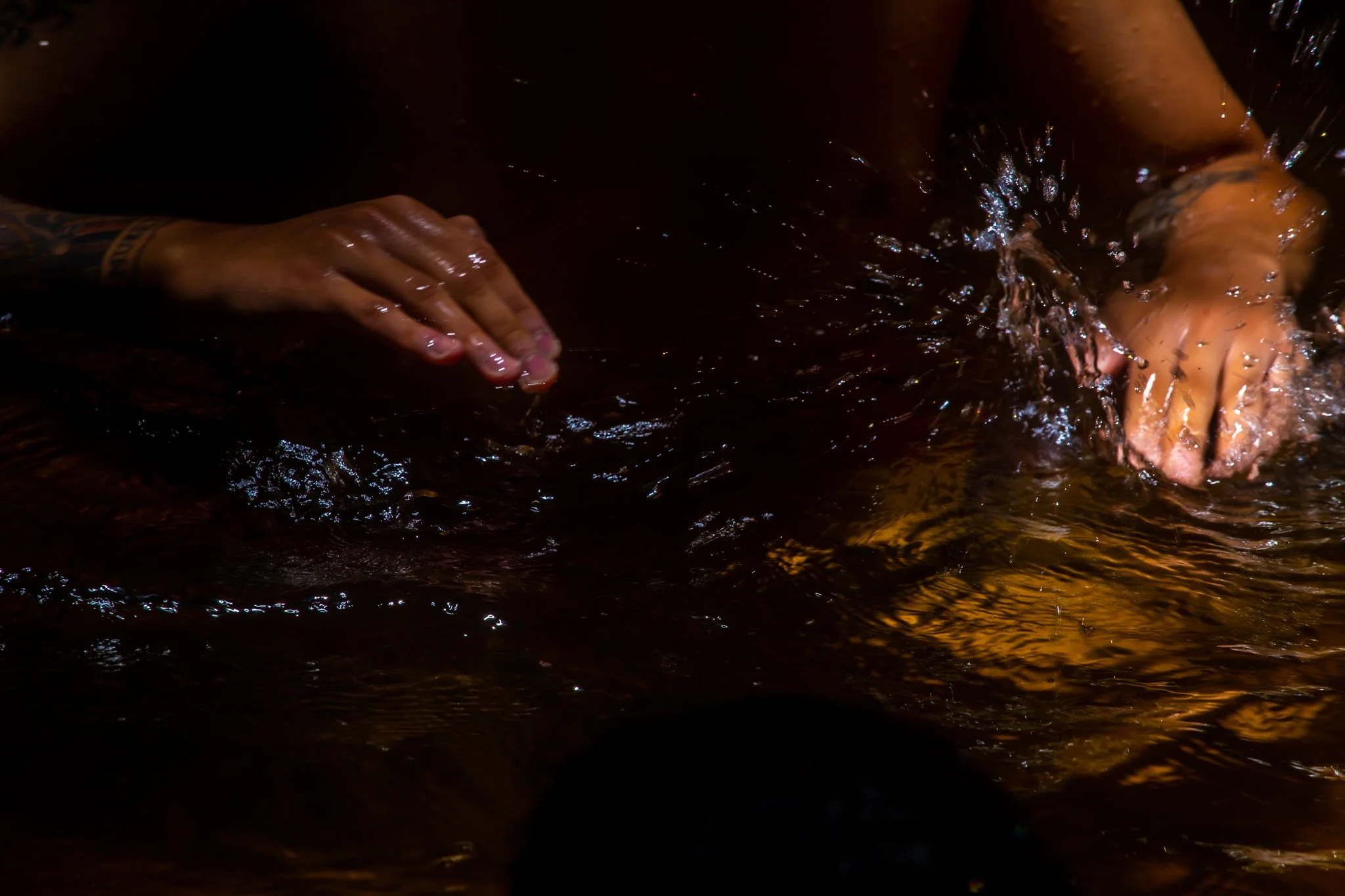
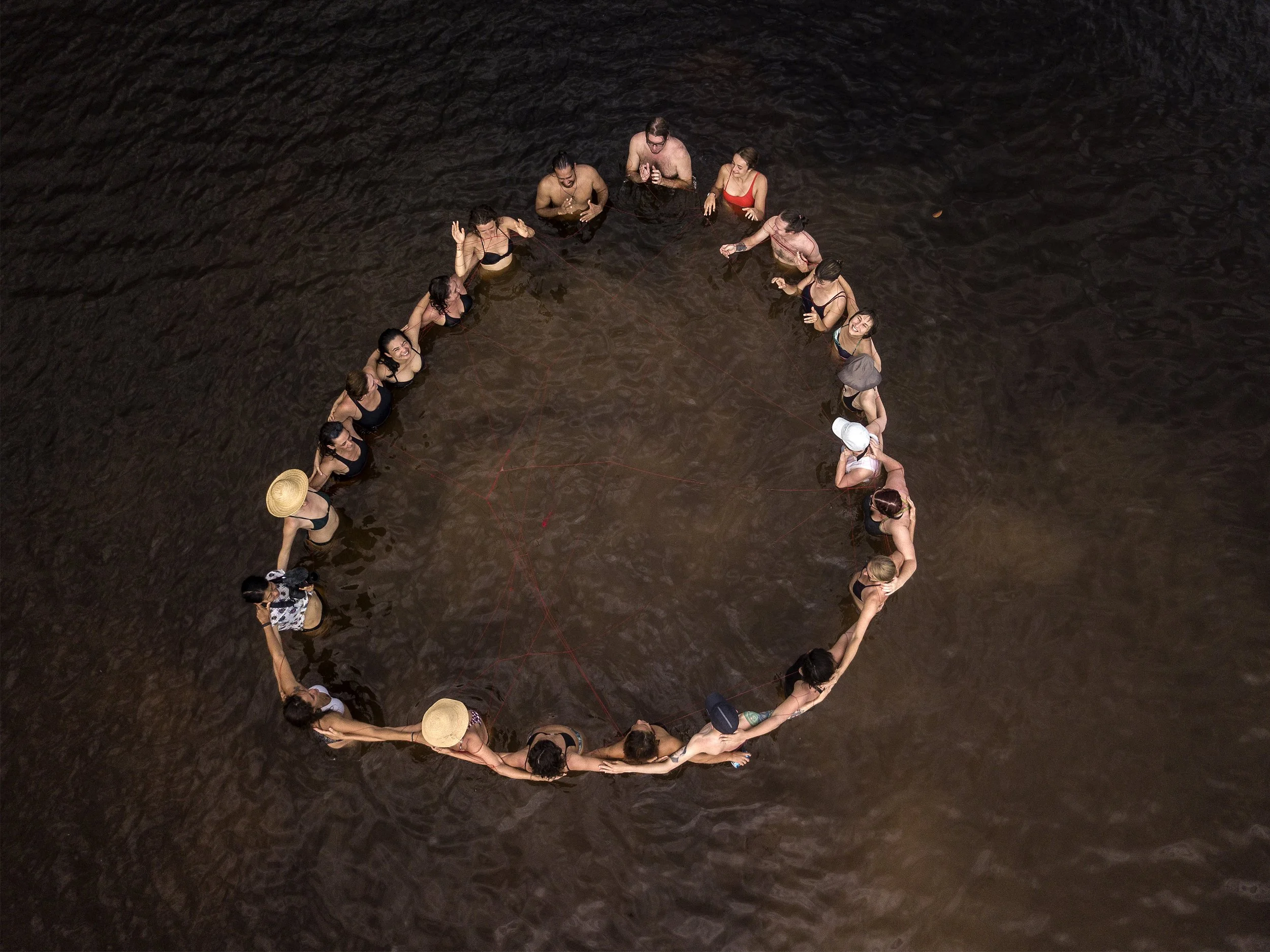
There is a kind of listening that cannot happen through a speaker. Labsonora, LabVerde's residency planned for April 2026, is built around that premise: musicians, ecologists, anthropologists, and Indigenous communities in the forest together, composing inside it rather than about it.
The Amazon was composing before there was anyone to hear it, and will be composing long after the platforms have changed. What this project puts on the table is not whether we can afford to save the forest. It is whether we can learn to recognise it as something other than ours to save.
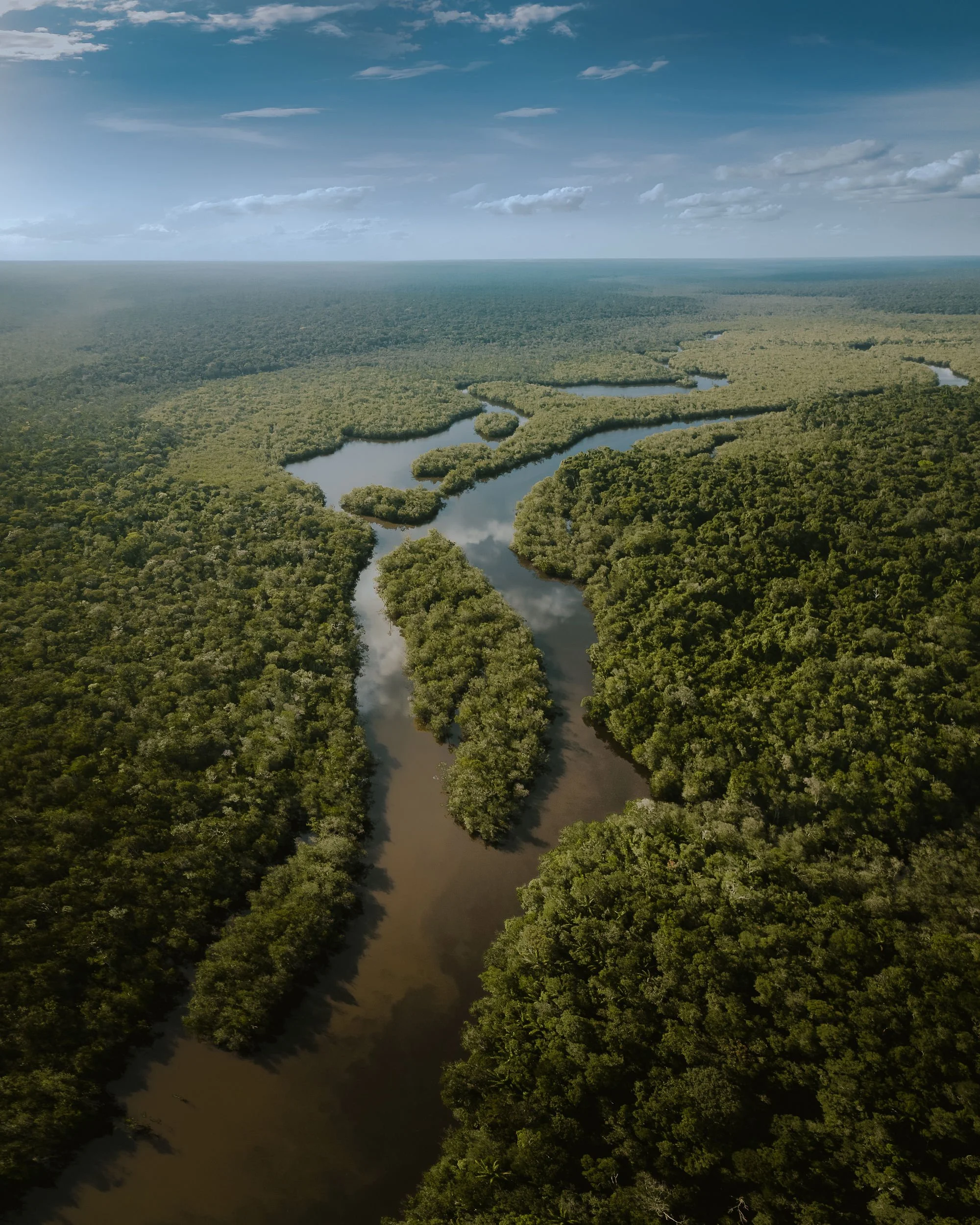
Photography LabSonora - LabVerde Residency
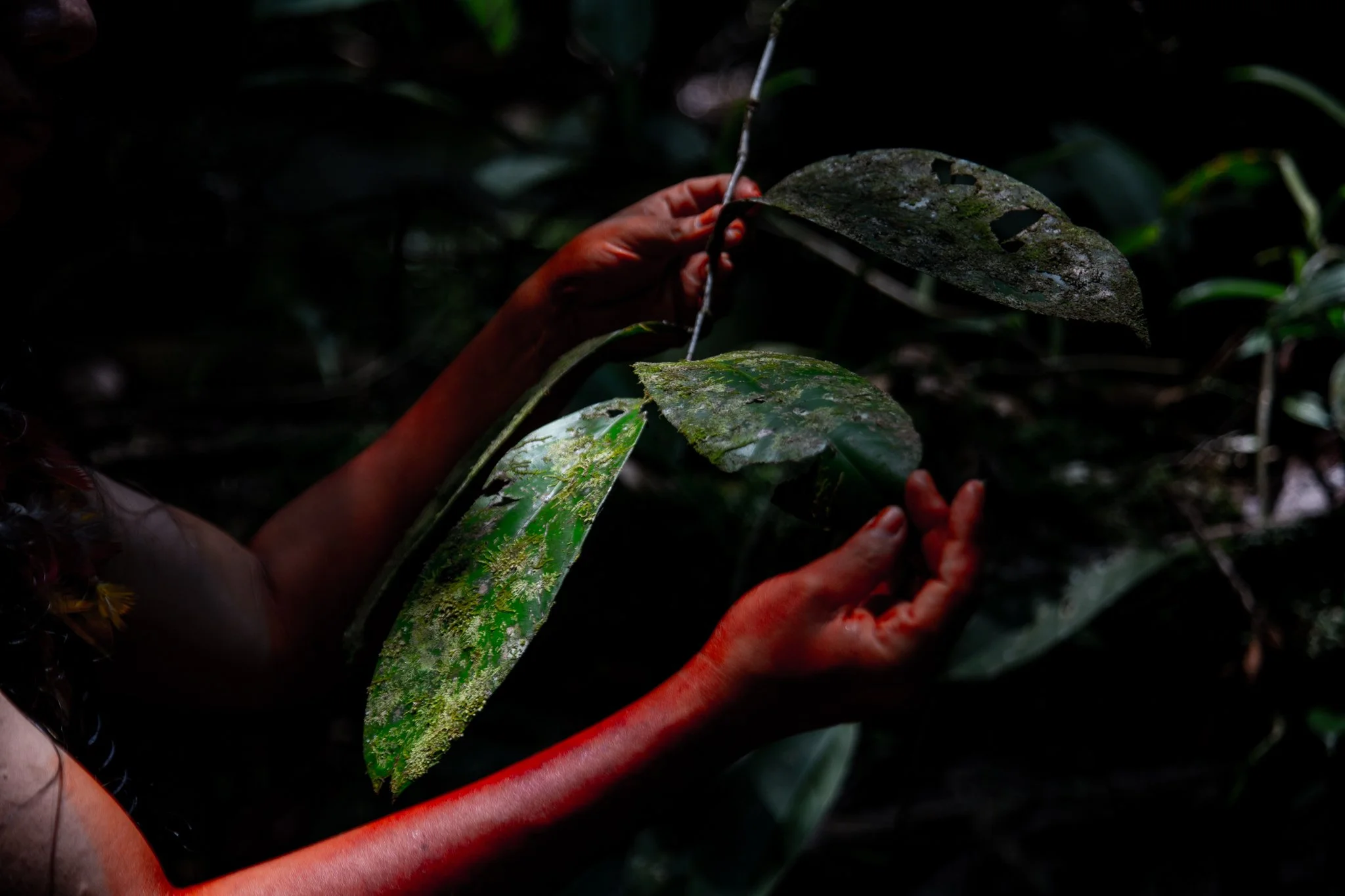
Photography LabSonora - LabVerde Residency
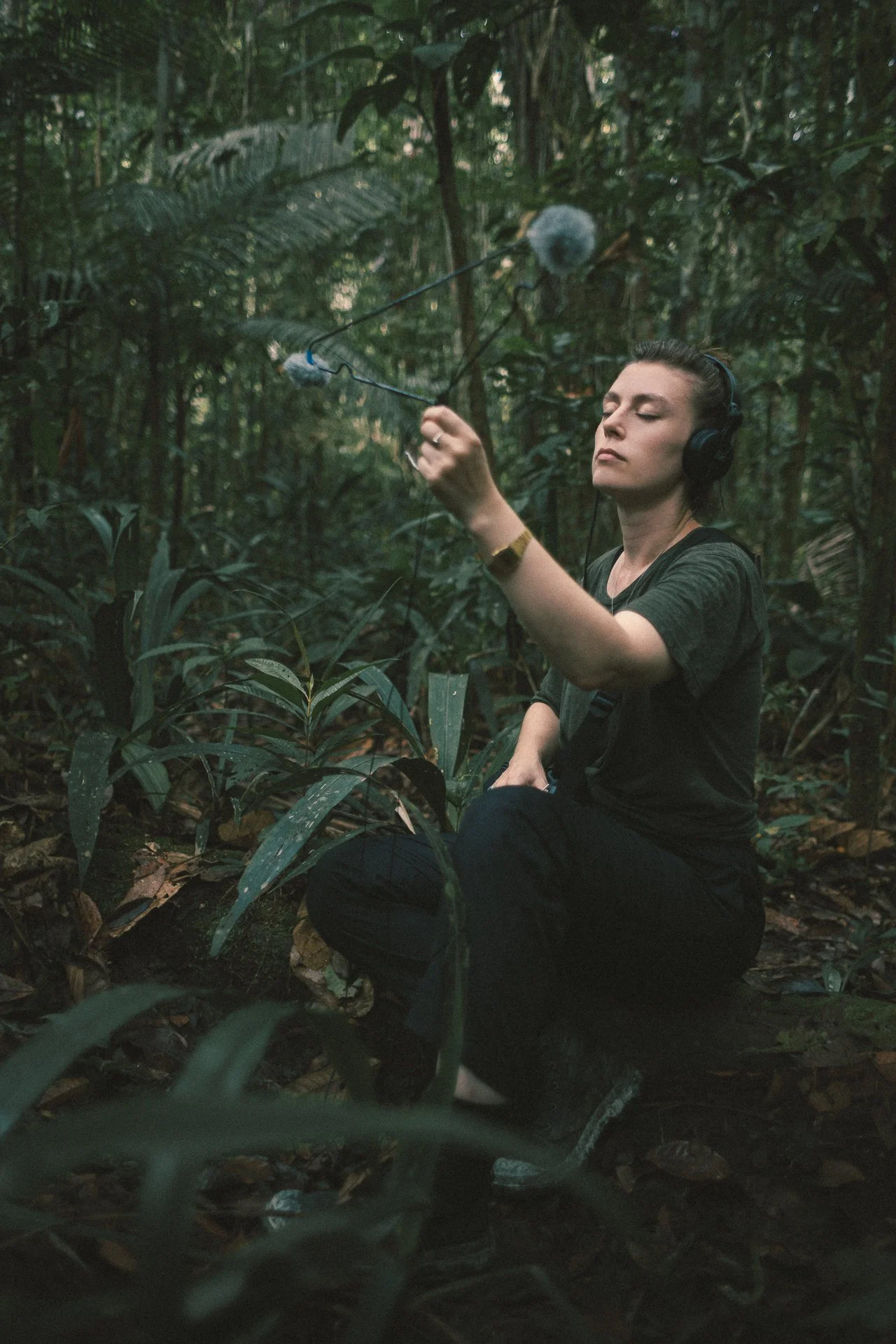
Photography @Vitor Barão - LabSonora - LabVerde Residency
Photography @Vitor Barão - LabSonora - LabVerde Residency
Photography LabSonora - LabVerde Residency
Photography LabSonora - LabVerde Residency
Photography ©Rogério Assis - LabVerde Residency
Photography LabSonora - LabVerde Residency
Photography LabSonora - LabVerde Residency
Photography LabSonora - LabVerde Residency
Photography ©Rogério Assis - LabVerde Residency
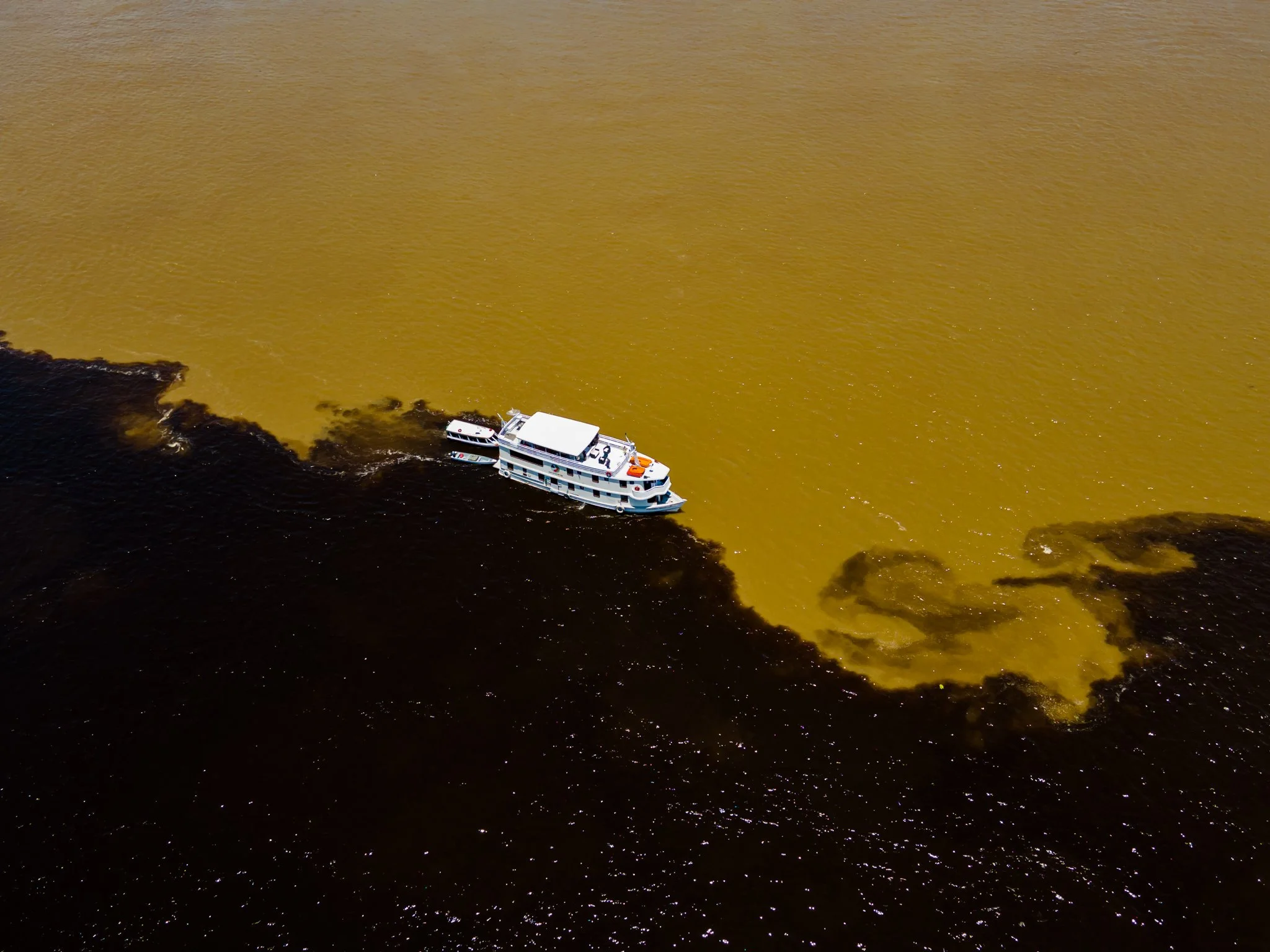
Photography ©Felipe Bastos - LabVerde Residency
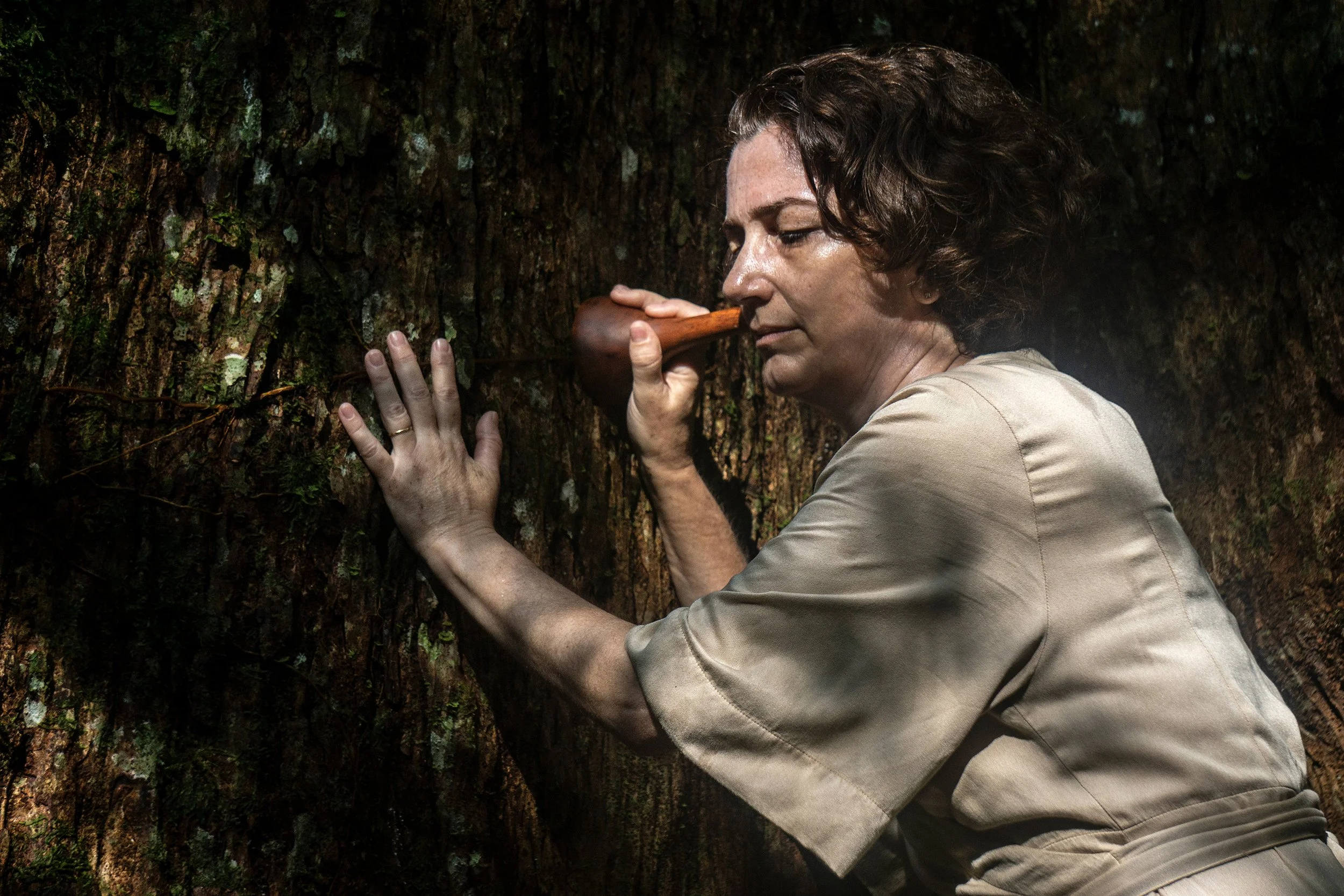
Photography LabSonora - LabVerde Residency
Listen to Amazônia Sonora https://hyperfollow.com/labverde
Further reading
Bernie Krause, The Great Animal Orchestra — wildsanctuary.com
Yolande Harris, Scorescapes: On Sound, Environment and Sonic Consciousness — yolandeharris.net
Pijanowski et al., "Soundscape Ecology: The Science of Sound in the Landscape," BioScience, 2011 — Oxford Academic
Amazônia Sonora
LabVerde, in collaboration with Sounds Right and Museum for the United Nations – UN Live
Recording artists: Lisa Schonberg and Marlon Wirawasu
Supported by INPA, Earth Percent, Mosaico de Conservação do Baixo Rio Negro, Associação Comunitária Nova Esperança.
Available on major streaming platforms. Labsonora residency, April 2026 — labverde.com/labsonora
Photography
Photography courtesy of LabVerde
Felipe Bastos
Rogério Assis
Vitor Barão
Words
Nina Zulian + Claude.ai